
Our Enduring Emotional Attachment to Cash

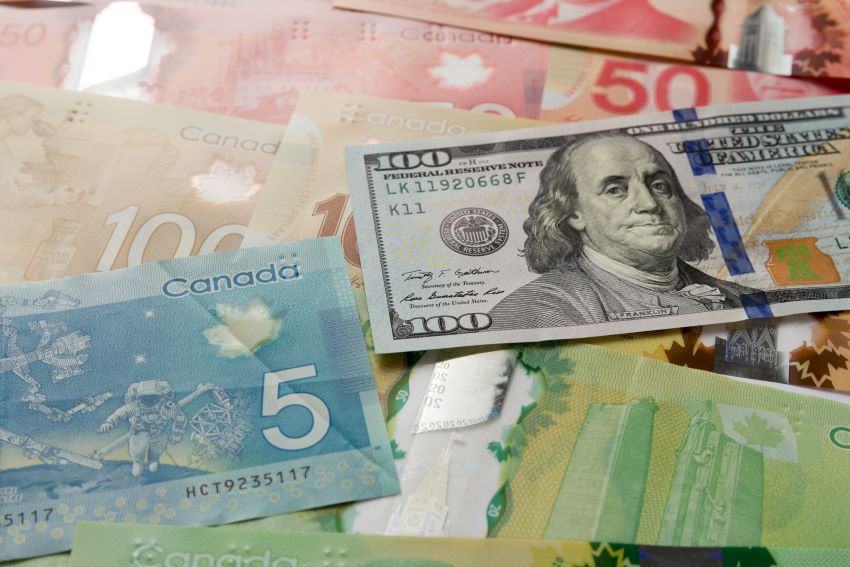
Four stories, one theme – namely, an emotional attachment to cash. Starting with Danmarks Nationalbank, which – as reported in our sister publication Cash & Payment News™ – has recently published a paper about cash use in Denmark 1. The paper draws on the results of the latest survey of citizens’ payment habits, which took place in the autumn of 2025.
The study shows that the use of cash for payments continues to go down (in common with other Nordic countries, but not necessarily elsewhere in the world), and that even the older generation are comfortable with digital payments.
However, the percentage of those that state it would be a problem if there was no cash in society in 10 years time went up – from 37% in 2023 to 58% in 2025. Moreover, the share of Danish citizens who believe that all shops should be obliged to accept cash has increased from 38% to 44%. And the share of people saying they don’t want a society without cash because cash is important has more than doubled.
Next, in his opening remarks at the recent HSP Latin America conference, the Governor of the Bank of Guatemala presented the country’s newest commemorative 100 quetzales banknotes. It follows the introduction of a commemorative 1 quetzal note last year.
This wasn’t just a presentation of the design and features; it was a mission statement. Banknotes, he said, are more than a way to pay, or to save. They are a physical representation of trust in a government, a means of communication, and a bridge that connects the people with one another, their shared history, culture and aspirations
Elsewhere, the Bank of England is concluding the next phase of its programme to replace the existing series of banknotes, which will see images of historical figures (the wartime leader Winston Churchill, the author Jane Austen, the code breaker and father of modern computing Alan Turing, and the artist JW Turner), replaced with mammals, birds, insects and fish.
The decision to change the theme to one that is neutral and non-divisive has proved anything but. In what has been termed a ‘very British backlash’, many have bemoaned what they see as an erasure of the island’s history – particularly as it been revealed that research commissioned by the Bank concluded that the current figures are deemed elitist and divisive – something not allowed in the inclusive climate that is supposed to prevail in the country.
Across the pond, in the US, President Donald Trump and his supporters attempted to get a commemorative banknote produced with his image on it to mark the country’s 250th anniversary of independence. This would have driven a coach and horses through the tradition, and rule, that no living US president can appear on US currency.
Four separate cash-related stories from four separate countries in the last month. One theme in common, however, which is the enduring personal attachment to banknotes – dare one say the emotional support – that currency involves; countries where citizens are perfectly comfortable with digital payments, but still want the back-up (Denmark), that appreciates the emotional as well as functional benefits of banknotes (Guatemala), that prefers frogs and hedgehogs to long-dead leaders and artists (England and Wales), and with a president who wants to see his face on the currency (the US).
In other words, what unites them is the fact that emotion still prevails when it comes to a nation’s calling card, even in those countries which are supposedly doing away with cash, as is claimed to be the case in Denmark and the UK.
1 – ANALYSIS | Payments 26 June 2026 | No. 13. Ditte Johanne Jensen, Retail Payments Expert and Lasse Holm Hélinck, Principal Economist.
Get the Currency News™ Weekly delivered free to your inbox.